How to Show Up in Google's Map Pack: A Guide for Local Businesses
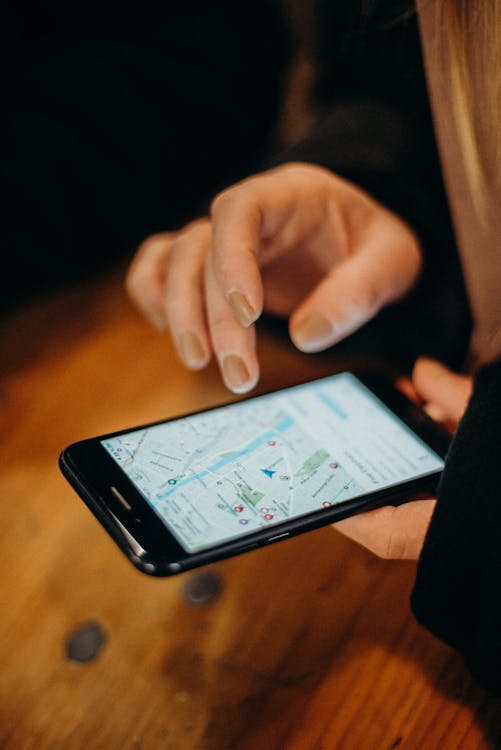
When you search for something like “electrician near me” or “best pizza in Sandwich MA,” Google shows a map at the top of the results with three businesses listed underneath it. That section is called the map pack, and it is the most valuable piece of real estate in local search.
If your business shows up there, you get calls. If it does not, you are invisible to a huge number of potential customers.
This guide breaks down exactly what the map pack is, how Google decides who gets in, and what you can do to improve your chances.
What Is the Google Map Pack?
The map pack (also called the local pack or the 3-pack) is a special section that Google displays at the top of search results for queries with local intent. It includes a small map and three business listings pulled from Google Business Profile data.
Each listing shows the business name, star rating, number of reviews, address, hours, and sometimes a short description or category label. There is also a “More places” link at the bottom that expands to show more results.
The map pack appears above the regular organic search results. That positioning matters a lot.
Why the Map Pack Matters
Studies consistently show that around 44% of people who perform a local search click on one of the map pack results. That is nearly half of all clicks going to just three businesses.
Compare that to the regular organic results below the map pack, where click-through rates drop off sharply after the first few positions. Being in the map pack is like having a storefront on Main Street instead of a side road three blocks away.
For service-based businesses, the map pack is especially important because it includes a click-to-call button on mobile devices. People can contact you without ever visiting your website.
If you are a local business that serves customers in a specific area, getting into the map pack should be one of your top marketing priorities.

The Three Ranking Factors
Google has publicly stated that map pack rankings are based on three main factors: relevance, distance, and prominence. Understanding each one is the key to improving your position.
Relevance
Relevance is how well your business profile matches what someone is searching for. If someone searches for “roof repair” and your Google Business Profile lists your primary category as “Roofing Contractor” with services that include roof repair, Google sees a strong match.
This is why having the right categories, detailed service listings, and a complete business description matters so much. The more information you give Google about what you do, the better it can match you to relevant searches.
Distance
Distance is straightforward. Google considers how far your business is from the person searching, or from the location they included in their search. If someone in Falmouth searches for “dentist near me,” businesses in Falmouth will have an advantage over businesses in Provincetown.
You cannot change where your business is located, but you can make sure your address is accurate and that you are listed in the areas you actually serve. Service-area businesses can define their service area in their Google Business Profile settings.
Prominence
Prominence is how well-known and trusted your business is online. This is the factor you have the most control over, and it is where most of the optimization work happens.
Google determines prominence based on several signals: the quality and quantity of your reviews, how often your business is mentioned across the web, the strength of your website, and the number of directory listings (called citations) that mention your business.
How to Improve Your Map Pack Ranking
Now that you understand the three factors, here is what to do about each one.
Optimize Your Google Business Profile
Your GBP listing is the foundation of everything. If it is incomplete or inaccurate, nothing else will matter much.
Make sure you have the right primary category selected. Fill out every field Google gives you: services, description, hours, attributes, and more. Upload high-quality photos regularly. Post updates at least once a week.
If you have not fully optimized your profile yet, check out our complete guide to Google Business Profile optimization.
Get More Reviews (and Respond to Them)
Reviews are one of the strongest signals Google uses to determine prominence. Businesses with more positive reviews consistently rank higher in the map pack.
Ask every happy customer to leave a review. Make it easy by sending them a direct link. Do not offer incentives for reviews because that violates Google’s policies, but do make asking a regular part of your process.
Respond to every review you receive, positive and negative. Your responses show Google that your profile is active, and they show potential customers that you care about the experience you deliver.
Build Local Citations
A citation is any mention of your business name, address, and phone number (NAP) on another website. Think of them as online references that tell Google your business is real and established.
In plain terms, citations are just your business listing on directories and websites across the internet. The most common ones include Yelp, Yellow Pages, the Better Business Bureau, Facebook, Apple Maps, Bing Places, and industry-specific directories.
The key with citations is consistency. Your business name, address, and phone number need to be exactly the same everywhere. If your website says “123 Main St” but Yelp says “123 Main Street,” that small inconsistency can weaken your signals.
Start with the major directories and then move on to local and industry-specific ones. For Cape Cod businesses, that might include the Cape Cod Chamber of Commerce directory, local town business directories, and regional publications.
Maintain NAP Consistency
NAP stands for Name, Address, and Phone number. These three pieces of information need to be identical everywhere your business appears online.
Check your website header, footer, and contact page. Check your Google Business Profile. Check every directory you are listed on. If anything is different, fix it.
Common inconsistencies include using a nickname instead of your legal business name, listing a suite number on some sites but not others, or having an old phone number on a directory you forgot about.
This sounds tedious, and it is. But it matters. NAP consistency is a trust signal, and Google pays attention to it.
Create Local Content on Your Website
Your website supports your map pack ranking more than most people realize. Google looks at your site to understand what you do and where you do it.
Create dedicated pages for each service you offer. If you serve multiple towns, consider creating location-specific pages that talk about the work you do in each area. Write blog posts about topics your customers care about.
The more local, relevant content your site has, the stronger the signals you send to Google about your relevance and prominence. This is where a solid SEO strategy ties directly into your map pack performance.
Earn Backlinks from Local Sites
Backlinks are links from other websites to yours. They are one of the oldest and most powerful ranking signals in Google’s algorithm.
For local businesses, the most valuable backlinks come from other local organizations. Sponsor a little league team and get listed on their website. Join the local chamber of commerce. Get featured in a local news story or blog post. Partner with other non-competing businesses and link to each other.
You do not need hundreds of backlinks. A handful of quality links from trusted local sources can make a real difference.

How Long Does This Take?
Map pack rankings do not change overnight. Most businesses start seeing movement within a few weeks of making improvements to their Google Business Profile, but climbing into the top three for competitive searches can take several months of consistent effort.
The businesses that rank in the map pack right now did not get there by accident. They built up reviews, citations, and content over time. The sooner you start, the sooner you close the gap.
What to Do First
If you are starting from zero, here is the priority order:
- Claim and fully optimize your Google Business Profile.
- Fix any NAP inconsistencies across your website and existing directory listings.
- Start asking customers for reviews after every job or sale.
- Submit your business to the top 15-20 online directories.
- Create or improve the service and location pages on your website.
Each step builds on the one before it. Do not skip ahead.
Get Help With Your Local Search Strategy
Getting into the map pack is not complicated, but it does take consistent work across multiple channels. If you would rather focus on running your business while someone handles this for you, we can help.
Contact us today to find out where your business stands in local search and what it will take to get you into the map pack.